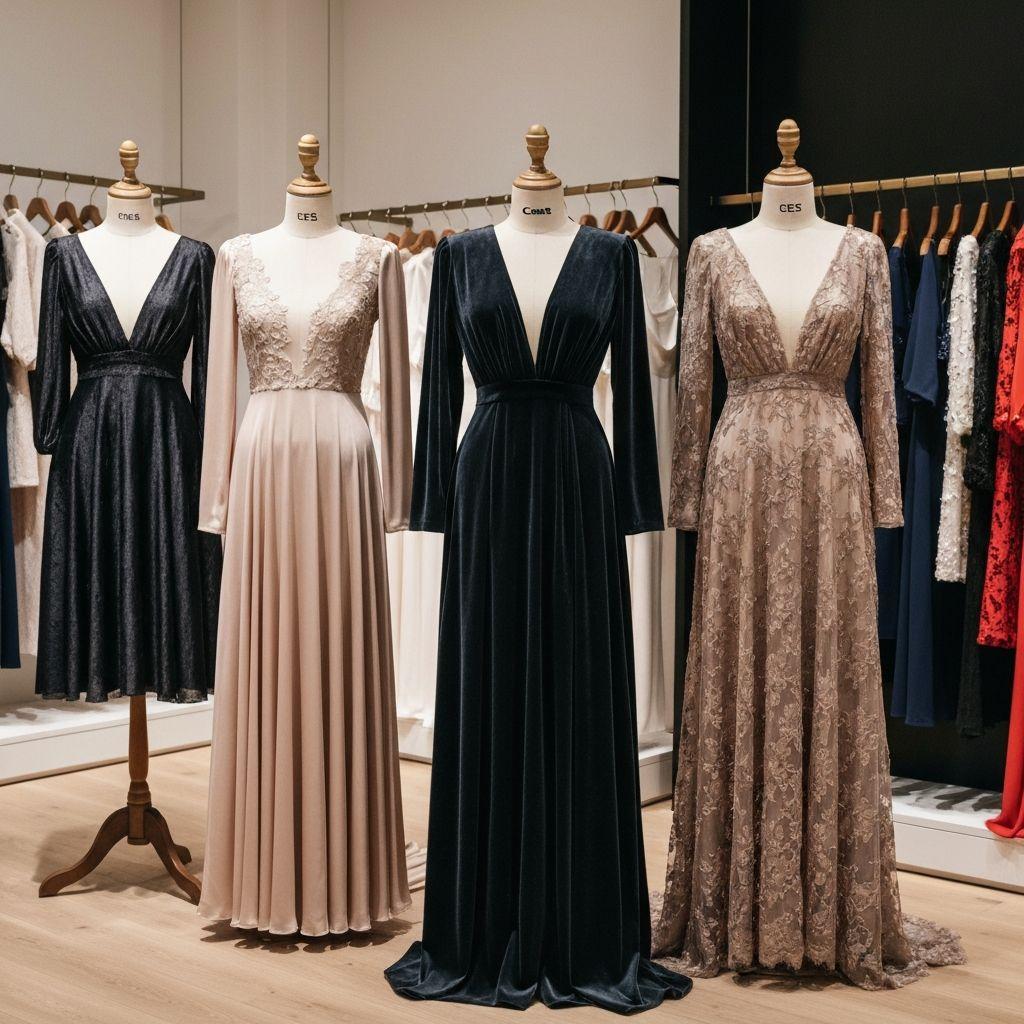
You do not have to wear a dress
Every graduation season the same question arrives at the atelier, usually from a mother and a daughter at the same time: is a suit acceptable at grad din? It is. Hong Kong graduation dinners are generally billed as smart casual or formal, and a tailored suit sits comfortably inside both. What decides whether you look right is not trousers versus a skirt. It is fit, and how far ahead you started.
Three questions worth asking first
Before you look at a single swatch, settle three things.
- Is there a theme? Some classes agree on a colour. If half the table turns up in the same shade, a beautiful suit in a different one reads as a mistake rather than a choice.
- Where is it held? A hotel ballroom is usually warm-toned light over dark carpet, which flatters navy and quietly drains black. A restaurant, a rooftop or a school hall is a different problem entirely.
- What will you actually be doing? Walking to a stage, standing through a group photograph, sitting for three hours, climbing a staircase in heels. Each one changes the answer on skirt versus trousers.
Colour and shine, judged by flash
Black is the safe answer and rarely the best one. In a dim ballroom a phone flash fired straight at a black suit swallows the detail; you become a silhouette with a face. Navy, charcoal, deep green and burgundy keep their structure in the same light, and the cloth still reads as cloth. Ivory and cream photograph beautifully, on the clear understanding that you will spend the evening avoiding red wine and soy sauce.
On shine, the most useful thing a tailor can give you is a satin lapel. The area is small, so a single catch of light is enough to look awake without shouting. All-over sequins and high-gloss satin behave badly under flash: the highlight blows out, the surface turns into one bright shape, and the cut disappears. If you want to stay quiet, keep the suit dark and let a lapel, a button or a pair of earrings carry the light.
Cloth: crepe, tweed, satin and a ballroom in June
Wool crepe is what I recommend most often for grad din. It drapes, it resists creasing, and it still looks composed after four hours in a chair. Around 250 to 280 grams works year-round in Hong Kong. Tweed photographs with real texture and suits a winter dinner, but moving between air-conditioning and the street in June is unpleasant, so plan a car. Satin head to toe is a mistake for the same reason: sit for half an hour and the creases announce themselves. Keep it to a lapel, a pocket or a skirt. Thin polyester is worth avoiding too; it reflects flash, shifts colour, and looks nothing like it did in the mirror.
Jacket length, and what goes underneath
Jacket length sets the proportion. A cropped jacket ending just below the waist lengthens the leg and works best with a high-waisted wide trouser. Hip length is the most versatile and the safest place to start a first commission: it sits well over a pencil skirt, an A-line or a straight leg. A longer jacket reaching mid-thigh has presence, but do not let it pass the knee or it will shorten you.
A pencil skirt needs room to sit down in. Cut it tight and you will spend the evening uncomfortable, with the hem riding up every time you stand. A-line is easier to move in and more forgiving across the hip. With wide trousers, the hem must be set against the shoe you will actually wear. We can cut a trouser to any length, but if you were fitted in trainers and change into heels, the line changes with them.
What the camera actually sees
Look through last year's grad din photographs and the thing that stands out is never the colour. It is the shoulder line. A clean shoulder and a collar that sits flat make you stand straighter, and that reads instantly on a phone screen. Bring your hair down to the fitting if that is how you will wear it, or put it up if you plan to; a collar that disappears under hair was never really fitted.
One detail almost nobody mentions: pockets. You will be carrying a phone, a red packet, lipstick. A tailored jacket can take an inside pocket, and its position needs testing in the mirror, not on paper. With somewhere to put things, you are not holding a bag in every photograph.
Counting backwards from the date
True bespoke runs about six to eight weeks with two or three fittings. Made-to-measure is nearer three to four. That sounds generous until you remember that the two months before graduation are the busiest of the year, for the workshop and for the cloth merchant alike.
- Tweed, three-piece, an unusual collar: start three to four months out.
- A standard two-piece: allow at least ten weeks, including the appointment and the cloth selection.
- Then add a fortnight of slack, so a shoulder or waist correction after the first fitting still has room to happen.
The six to eight weeks is making time. It does not include booking, choosing cloth, or the conversations in between.
Where the money should go
On the same budget you can buy expensive cloth and take two fittings, or ordinary cloth and take three. In my experience the number of fittings changes how a suit looks on you more than the price of the cloth does. The first baste is for line, length and proportion. The second is for movement: raise your arms, sit down, walk. Details come last, at the buttons and the collar.
If time only allows one fitting, insist that it is a baste, with the seams still open and stitchable, rather than a finished garment tried on for approval. Ask, too, what adjustments are included after collection and for how long. Bodies change over a few months; leaving yourself that room costs nothing.
Come and feel the cloth
A photograph of a cloth and the cloth itself are two different things. Book a fitting at our Tsim Sha Tsui atelier on Hankow Road and we will put the weights and drape in your hands before we recommend anything. The cut and the skirt-or-trouser options are set out on our ladies' bespoke suits page, jackets and coats on ladies' jackets and coats, and the sequence of fittings on our process.